The digital horizon is glowing with a new kind of light, and if you listen closely, you can hear the hum of millions of GPUs crafting the next generation of fashion. AI for t-shirt design for print on demand business is no longer a futuristic whisper; it is the roaring engine behind the most successful shops today. It feels like just yesterday we were struggling with complex vector paths and expensive software, but now, a simple conversation with a machine can birth a masterpiece. This year, the bridge between a fleeting thought and a wearable piece of art has become a high speed glass highway, and honestly, it is absolutely exhilarating to watch.
Whether you are a veteran seller or a curious newcomer, the tools available right now are like having a team of world class artists living inside your laptop. They don’t sleep, they don’t get creative block, and they are ready to turn your wildest dreams into high resolution reality.
The New Design Architects: Understanding the AI Toolbox
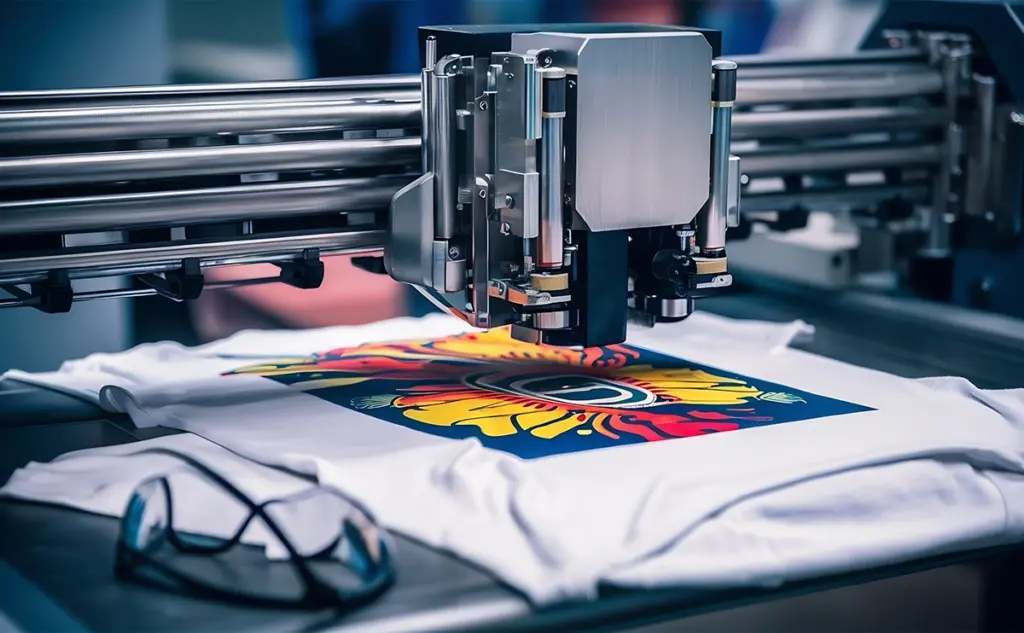
Entering the world of AI for t-shirt design for print on demand business can feel a bit like stepping into a sci fi movie, but the reality is much more user friendly. The landscape is dominated by a few heavy hitters that have turned the design process into an intuitive dance. You aren’t just “using a tool”; you are collaborating with a creative partner that understands lighting, texture, and even human emotion.
Midjourney: The Visual Powerhouse
In 2026, Midjourney v7.0 has become the gold standard for anyone craving depth and soul in their designs. It is the artist who prefers “mood” over “perfection.” When you master what are the best Midjourney prompts for t-shirt design, you unlock a chest of vintage textures, neon soaked cyberpunk aesthetics, and delicate watercolors that feel like they were painted by hand. Using Midjourney prompts for t-shirts that focus on ” tile” for patterns or ” no background” for clean vectors is the secret handshake of the pros.
ChatGPT: The Brain Behind the Beauty
It isn’t just about the pictures; it’s about the strategy. Utilizing ChatGPT for print on demand business growth is like having a marketing genius on speed dial. It helps you brainstorm niches, write catchy slogans, and even draft the prompts you’ll feed into the image generators. It connects the dots between a “cool image” and a “product that solves a customer’s need.”
The Legal Tightrope: Can You Actually Sell This?
One of the loudest questions echoing through the forums is: is it legal to sell AI art on clothing? The answer in 2026 is a resounding “yes,” but with a few very important asterisks. The legal landscape has matured, and the rules of the game are much clearer now. Most major print on demand AI tools grant full commercial rights to paid subscribers, but the “human touch” remains the key to true ownership.
Copyright and the “Human Spark”
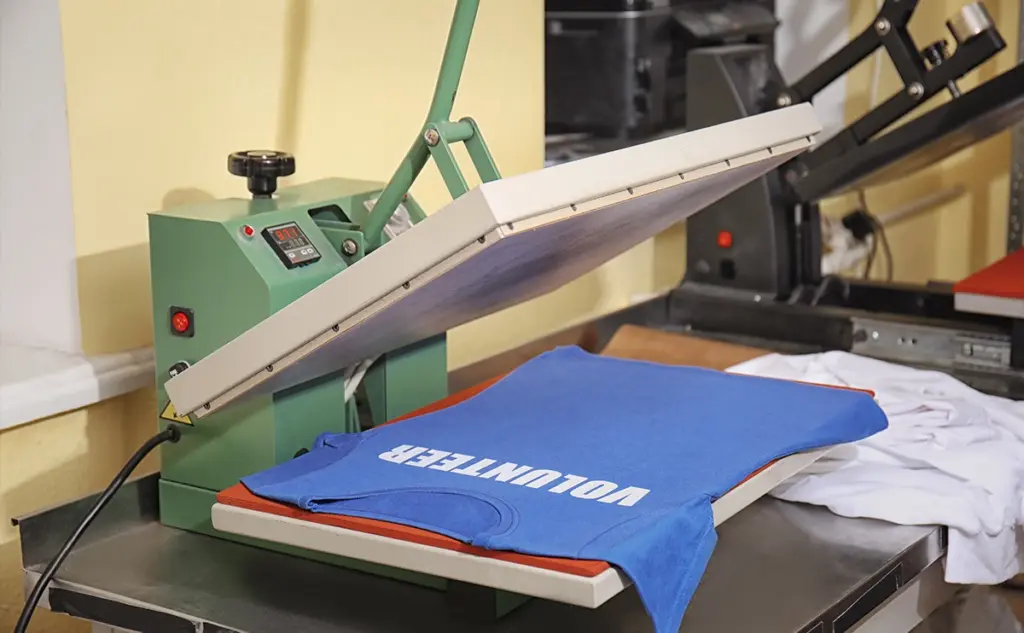
The US Copyright Office and EU regulators have made it clear that “pure” AI output, where you just click a button and do nothing else, is hard to protect. However, when you create custom apparel with AI by combining prompts, editing the results, and adding your own unique flair, you are building a legal fortress around your work. AI art copyright for ecommerce is all about that “significant human input.” It’s the difference between a random doodle and a curated collection.
- Pro Tip: Always keep a log of your prompts and your editing process.
- Safety First: Avoid generating anything that smells like a trademarked character (no, don’t try to make an “AI Mickey Mouse”).
- Check the ToS: Always verify that your specific subscription tier allows for commercial resale.
From Pixels to Fabric: The Workflow of 2026
The dream of an automated t-shirt design process is finally a reality. You can now set up systems where your AI generator creates a design, an AI upscaler sharpens it to 300 DPI, and a mockup generator places it on a realistic model in a sunny park, all while you are out grabbing a coffee.
Step by Step: How to Design T-Shirts Using AI
- Niche Research: Use ChatGPT to find “micro niches” like “Minimalist Gardening Gear” or “Retro Space Travel.”
- Prompt Engineering: Craft detailed Midjourney prompts for t-shirts using descriptors like “vector art,” “flat design,” and “high contrast.”
- Refinement: Take the raw image and use tools like Kittl or Canva to add typography or clean up stray pixels.
- Upscaling: Ensure the file is massive enough for high quality printing without losing detail.
A common worry for beginners is: can I sell AI generated art on print on demand platforms like Etsy or Shopify? Not only can you, but these platforms are actively encouraging it, provided you are transparent about your process and focus on high quality, original concepts rather than generic “AI looking” junk.
The Best Engines for the Job: Comparing the Generators
Choosing the best AI generators for merch is like picking the right car for a road trip. Some are built for speed, others for luxury, and some are perfect for off roading into experimental territory.
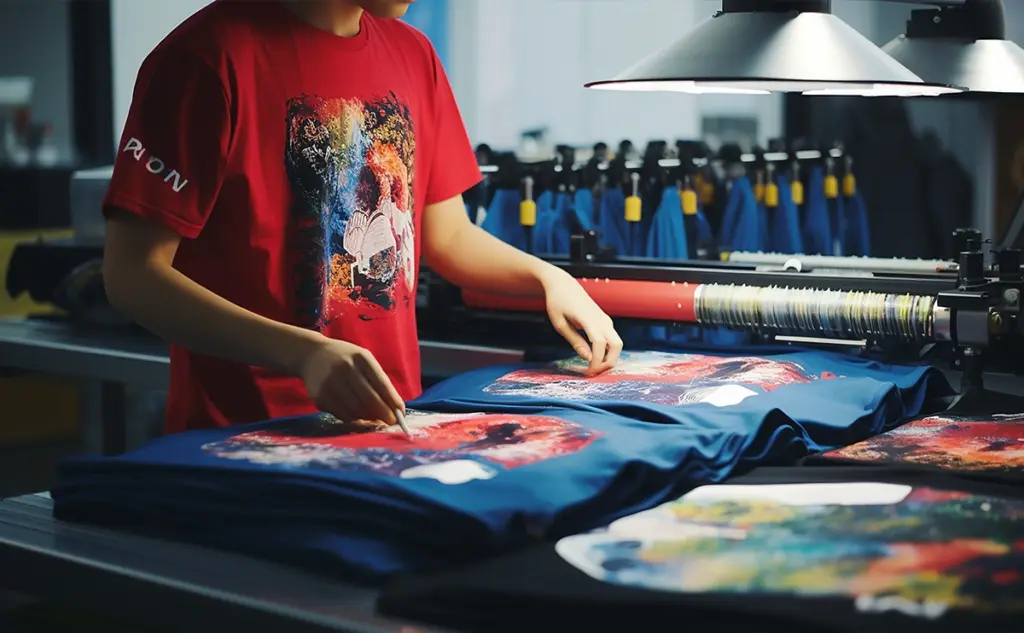
The Soul of the Machine: Adding the Human Element
Despite all the talk of “automation” and “speed,” the most successful stores in 2026 are the ones that feel the most human. AI is a powerful brush, but you are still the artist. The “explanation disorder” of the digital age sometimes makes us think that more is better, but often, a simple, poignant design created with AI for t-shirt design for print on demand business tools beats a cluttered one every time.
Metaphors of Creation
Think of AI as a tidal wave. You can either stand on the shore and watch it pass, or you can grab a surfboard and ride the crest of the most exciting change in retail history. It’s a bit messy, it’s a little scary, and sometimes the AI gives a character six fingers, but that’s where you come in to fix it, to guide it, and to give it a heartbeat.
Future Proofing Your Store: What’s Next?
As we look toward 2027 and beyond, the integration of AI for t-shirt design for print on demand business will only get deeper. We are already seeing “Generative Style” tools that can learn your specific brand aesthetic and produce designs that look exactly like “you” every time.
The question of is it legal to sell AI art on clothing will become a footnote as the technology becomes as standard as a sewing machine once was. The winners will be those who use these print on demand AI tools to tell stories that resonate with people’s hearts, not just their wallets.
Final News Update for Sellers
The headline is simple: The barrier to entry has vanished, but the bar for quality has been raised. Using AI for t-shirt design for print on demand business effectively requires a mix of technical curiosity and old fashioned creative soul.
- Stay Curious: Experiment with new prompts every day.
- Stay Ethical: Respect the work of real artists and don’t “copy paste” their styles.
- Stay Bold: Don’t be afraid to launch that weird, “AI dreamscape” collection you’ve been thinking about.
The digital world is your oyster, and the pearl is a well designed, AI generated t-shirt that someone, somewhere, is going to fall in love with tomorrow.