The fashion world is waking up to a brand new morning, and the air smells like fresh, organic cotton and possibility. If the dream of seeing a creative vision on a shirt has been dancing in the mind, there has never been a more vibrant time to jump in. Starting a sustainable clothing line used to feel like trying to climb a mountain in flip flops, expensive, confusing, and nearly impossible for a small creator. But in 2026, the landscape has shifted into a lush, green valley where anyone with a laptop and a heart for the planet can build something truly beautiful. It is like the universe finally handed us the keys to a kingdom where profit and planet can actually hold hands.
Right now, shoppers are no longer just looking at a price tag; they are looking at the story behind the stitches. They want to know where that fabric came from and if the person who made it was treated like a human being. This shift is turning the traditional, wasteful retail model on its head, making green ecommerce business ideas the brightest stars in the digital sky.
The Big Question: Is This Truly Good for the Earth?
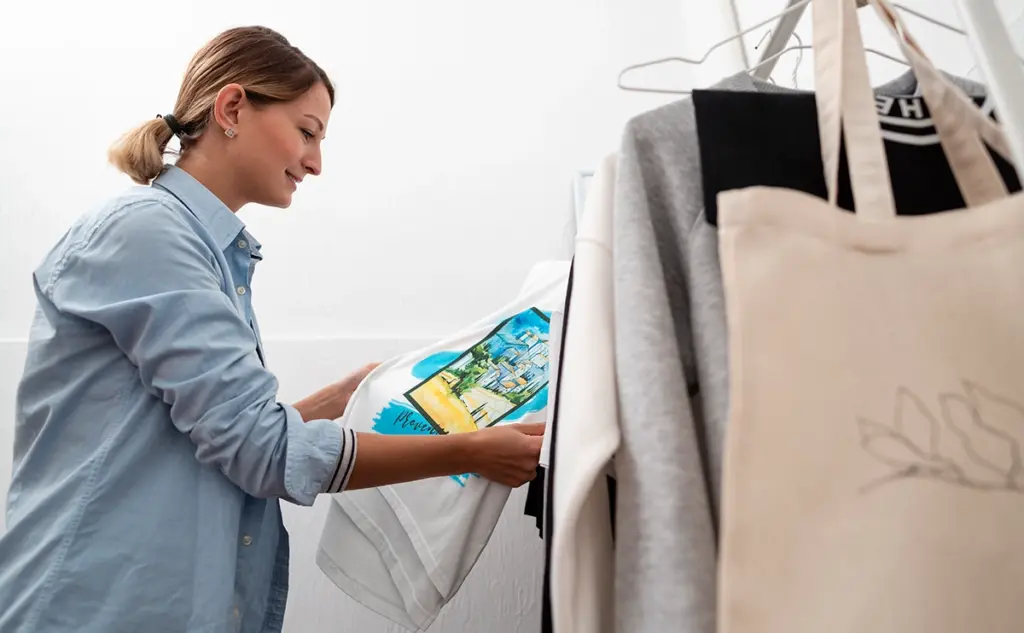
One of the first things people wonder when they start exploring this space is a simple but heavy one: are print on demand businesses eco friendly? To give an honest, messy answer, it depends on how the ship is steered, but the foundation is incredibly solid. Unlike the old school way of making ten thousand shirts and hoping someone buys them (only to send the unsold piles to a landfill), this model only creates what is actually wanted. It is “slow fashion” at a digital pace.
When a product only comes into existence because a real person pressed “order,” the mountain of waste that usually haunts the fashion industry starts to shrink. It is a more intentional, respectful way of creating. By choosing this path, the carbon footprint of the business is already smaller before the first design is even uploaded. It is about moving away from “more” and moving toward “better.”
Why the On Demand Model Wins for the Planet
Traditional manufacturing is like a giant, clunky machine that cannot stop once it starts. Print on demand is more like a nimble artist who only picks up the brush when there is a canvas ready. This eliminates the “deadstock” tragedy that sees billions of garments burned or buried every year. In 2026, being lean isn’t just a business strategy; it is a love letter to the environment.
Sourcing the Soul: Materials That Matter
If the business is the body, then the fabric is the soul. You cannot build a truly sustainable clothing line on top of cheap, chemically laden synthetics. This is where the hunt for quality begins, and it usually leads straight to a soft, earthy place.
The Magic of Natural Fibers
Learning where to find organic cotton t-shirts for printing is the first major milestone for any eco warrior entrepreneur. Conventional cotton is a thirsty, hungry crop that often relies on harsh pesticides, but organic cotton is grown in harmony with the soil. It feels different against the skin, it is breathable, soft, and carries a certain “honesty” that customers can feel the moment they open their package.
Choosing organic cotton print on demand options means supporting farmers who care about biodiversity and water conservation. It is about choosing a material that can eventually return to the earth without leaving a trail of plastic behind. This choice is a powerful adjective for the brand; it says “premium,” “conscious,” and “caring” all at once.

Water Based Inks: Painting with Kindness
The ink is just as important as the shirt. For a long time, the industry relied on plastisol inks, basically liquid plastic that sits on top of the fabric like a heavy, unbreathable shield. Today, the gold standard is using water based inks for custom apparel. These inks soak into the fibers, creating a “soft hand” feel that is much more comfortable to wear. More importantly, they are free from the nasty PVCs and phthalates that hurt our waterways. It is like painting with a gentle watercolor instead of a thick, toxic oil.
Finding Your Partners in Green
No creator is an island, especially in the world of eco friendly print on demand. The success of the brand depends heavily on the people behind the printers. You need a partner who doesn’t just use “eco” as a buzzword but lives it in their daily operations.
The Tech Driven Revolution of 2026
When looking for the best sustainable print on demand companies 2026 has to offer, look for those who have invested in localized production. The further a shirt has to travel, the more “carbon weight” it carries. A partner with a global network of local hubs can print the shirt in the same country where the customer lives, slashing shipping emissions and delivery times. It is a win for the customer’s patience and the planet’s health.
These sustainable print providers are also using smarter technology to reduce waste. AI driven ink management ensures that not a single drop of pigment is wasted, and energy efficient dryers run on renewable power. It is a high tech, high heart approach to manufacturing that makes the old ways look like ancient history.
Practical Steps: How to Start a Sustainable Clothing Brand
Getting started can feel like a swirl of excitement and “oh no, what do I do first?” but the path is actually quite clear once you take the first step. It is about building a bridge between a creative dream and a responsible reality.
Setting Your Ethical Foundation
The very first move in how to start a sustainable clothing brand is defining what “green” means to you. Is it about 100% recycled materials? Is it about fair trade labor? Or is it a combination of everything? Being clear about these goals helps navigate the sea of options. It makes it easier to tell the story to the customers later on.
- Research your suppliers: Don’t just take their word for it. Look for certifications like GOTS (Global Organic Textile Standard) or OEKO-TEX. These are the gold stars of the industry.
- Sample everything: You have to feel the fabric and see the print quality. A shirt that falls apart after three washes isn’t sustainable, no matter how organic the cotton was.
- Design with intention: Create pieces that people will want to wear for years, not just for a week. “Slow fashion” starts with timeless design.

Selling the Story
Once the shop is live and the eco friendly custom t-shirts are ready to meet the world, the marketing should be as transparent as a mountain stream. Customers in 2026 are savvy; they can spot “greenwashing” from a mile away. Instead of using vague, flowery language, show them the facts. Show them the recycled packaging. Tell them about the ethical fashion print on demand partners you chose. This honesty builds a loyalty that money cannot buy.
Navigating the Future of Green Commerce
The journey of environmentally friendly dropshipping is a marathon, not a sprint. There will be days when a supplier is out of stock of the perfect natural colored tote bag, or when the cost of organic materials feels a little high. In those moments, remember that you are building a legacy, not just a store.
The premium that people are willing to pay for a “good” product is growing every day. They aren’t just buying a garment; they are buying the peace of mind that comes with knowing they aren’t part of the problem. As the brand grows, the ability to influence the industry grows with it. Every sale of a sustainable print on demand product is a vote for a cleaner, kinder future.
The explanation disorder of the modern world often tries to make business feel cold and robotic, but a sustainable brand is deeply, beautifully human. it is about the hands that grow the cotton, the artists who create the designs, and the customers who wear them with pride. It is a circle of respect that starts with a single, conscious choice.
So, take that deep breath. The world is waiting for a brand that cares as much as you do. The tools are ready, the materials are earthy and real, and the horizon is wide open. It is time to start the journey and turn those green dreams into a wearable reality.